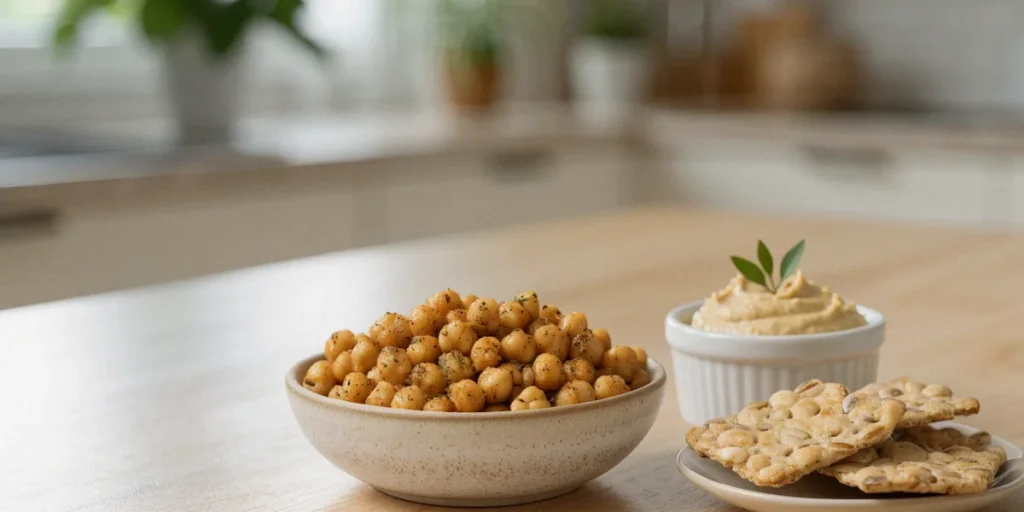
Chickpea Snacks for Lunchboxes: Wholesome Plant-Based Recipes for Canadian Kids
It’s 7:15 a.m., you’re holding a half-empty lunch bag, and your kid has just announced they’re “done with sandwiches.” If you’re raising a plant-based family in Canada, you know this scene all too well. The good news? A humble can of chickpeas can solve most of your lunchbox problems. They’re versatile, packed with nutrition, and they blend into snacks kids actually want to eat — from crunchy roasted bites to muffins that disappear before recess. Here’s how we turn chickpeas into the hardest-working ingredient in your pantry.
Why Chickpeas Are a Lunchbox Superstar
Chickpeas, also called garbanzo beans, are one of the most practical foods you can keep on hand for plant-based lunches. They hold their shape, take on almost any flavour, and cost a fraction of what pre-packaged vegan snacks do. For Canadian families juggling busy mornings and tight grocery budgets, they’re a quiet hero.
Packed with Protein and Fiber
One cup of cooked chickpeas delivers roughly 14 grams of protein and 12 grams of fibre. That combination keeps kids full through an afternoon of math class and playground time, rather than crashing an hour after eating. Fibre also supports steady digestion, which matters when your child’s diet is built mostly around plants. Paired with whole foods like quinoa — which is grown right here in Saskatchewan — chickpeas create a complete protein profile that rivals any meat-based lunch.
Allergen-Friendly and Budget-Friendly
For families navigating school allergy rules, chickpeas are a gift. Since many Canadian schools have nut-free policies, chickpea-based snacks are a safe, nutritious alternative to peanut butter or tree nut spreads. They’re also naturally gluten-free and dairy-free. On the budget side, dried chickpeas from a bulk store can cost just a few dollars per kilogram, and a single can stretches across multiple snacks. Compare that to $4 for a small bag of vegan crackers, and the math speaks for itself.
Our Favorite Chickpea Snack Recipes
These are the recipes our team makes on repeat. They’re built around accessible Canadian ingredients, and each one holds up well in a lunchbox from morning until noon.
Crunchy Roasted Chickpeas (Three Flavor Variations)
Drain, rinse, and dry a can of chickpeas, toss with a tablespoon of oil, and roast at 400°F for about 30 minutes until they rattle in the pan. From there, we split them into three flavour batches:
- Smoky Maple: maple syrup, smoked paprika, and a pinch of salt
- Ranch-Style: nutritional yeast, garlic powder, onion powder, and dried dill
- Sweet Cinnamon: cinnamon, a touch of coconut sugar, and vanilla
Let them cool completely before packing — trapped steam makes them soggy.
Tahini Chickpea Energy Bites
Blend cooked chickpeas with tahini, oats, maple syrup, and a pinch of salt, then roll into balls and chill. Tahini adds creaminess and healthy fats, and Canadian brands like Yoso and Earth’s Own are widely available in grocery stores. These bites are nut-free, so they pass most school allergy checks without a second thought.
Quinoa and Chickpea Lunchbox Muffins
Savory muffins are underrated. We fold cooked quinoa, mashed chickpeas, grated carrot, and herbs into a simple batter and bake in a standard muffin tin. Quinoa grown in Saskatchewan gives these muffins a local, whole-foods backbone, and they freeze beautifully for batch prep.
Chickpea Hummus Wraps
Blend chickpeas with tahini, lemon, garlic, and olive oil for a thick hummus, then spread it on a whole-grain tortilla with shredded veggies. Roll tightly, slice into pinwheels, and pack. They’re colourful, portable, and a reliable hit with kids who prefer dipping over chewing.
Meal Prep Tips for Busy Canadian Families
Sunday afternoon prep is what makes weekday mornings calm. A little planning now saves a lot of scrambling later.
Batch Cooking and Freezing
Cook a large pot of dried chickpeas and freeze them in two-cup portions, or roast a full tray of seasoned chickpeas at once. Energy bites and muffins freeze well for up to three months. During Canadian winters, when fresh produce selection narrows, frozen or canned chickpeas become an even more dependable base for snacks.
Keeping Snacks Fresh in Lunchboxes
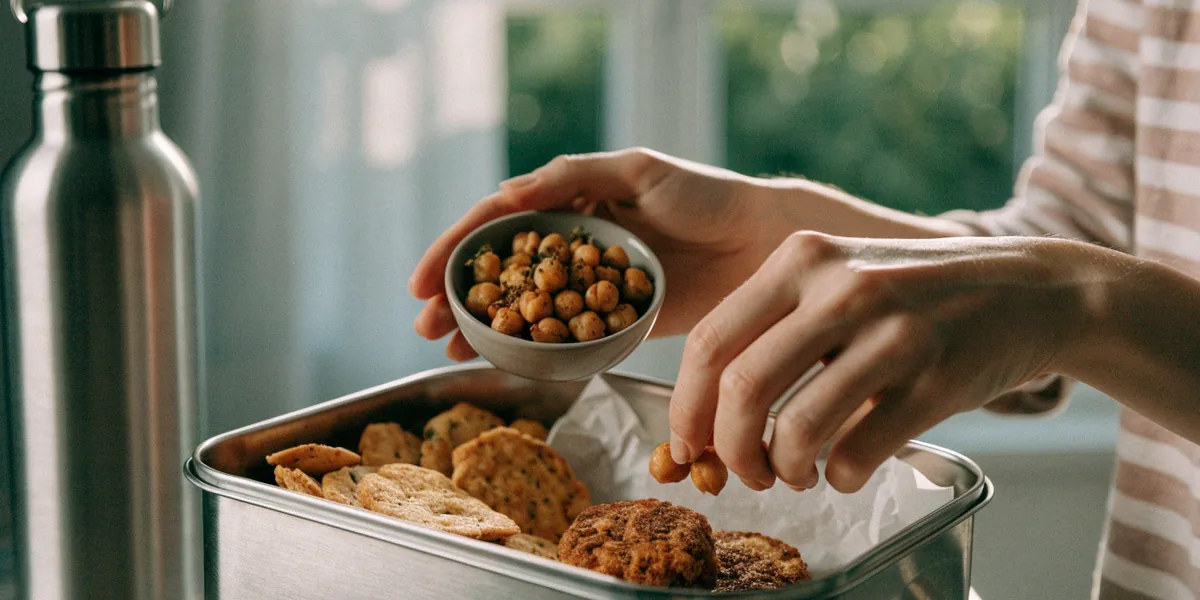
Use small silicone cups or reusable containers to separate wet and dry items. Add a small ice pack for hummus wraps, and keep roasted chickpeas in a paper bag rather than plastic so they stay crisp. A thermos works well for warm quinoa muffins on cold days.
Making Chickpea Snacks Kid-Approved
Getting kids on board is half the battle. The trick is giving them ownership and making the food fun to eat.
Involve Kids in the Kitchen
Let them choose the seasoning for roasted chickpeas, mash the chickpeas for hummus, or roll the energy bites themselves. Kids are far more likely to eat something they helped make. It also builds kitchen confidence early.
Fun Shapes and Dippers
Use cookie cutters on hummus wraps or muffin tops. Serve hummus with cucumber sticks, bell pepper strips, or whole-grain pita. Because many Canadian schools enforce nut-free policies, chickpea-based dips are a safe and nutritious alternative to peanut or almond spreads — and kids don’t feel like they’re missing out.
Shopping Guide: Where to Find Ingredients in Canada
Everything you need is easy to find. Major Canadian grocery chains like Loblaws, Metro, and Costco carry canned and dried chickpeas, tahini, and quinoa. For bulk buying, Bulk Barn is a Canadian bulk food store chain where chickpeas and quinoa can be purchased in bulk at lower prices. Tahini is often stocked in the international aisle rather than near the nut butters, so check there first.
Canned vs. Dried Chickpeas
Canned chickpeas are convenient and ready in minutes — ideal for weeknights. Dried chickpeas are cheaper per serving and let you control sodium, but require soaking and cooking. We keep both on hand: canned for spontaneous snacks, dried for weekend batch cooking.
Choosing Quality Tahini and Quinoa
Look for tahini with just one ingredient: sesame seeds. Brands like Yoso and Earth’s Own are reliable and widely available. For quinoa, Canadian-grown options from Saskatchewan are fresh, local, and support domestic farmers. Rinse quinoa before cooking to remove its natural bitterness.
FAQ
Are chickpeas safe for nut-free schools in Canada?
Yes. Chickpeas are legumes, not tree nuts or peanuts, so they’re generally safe for nut-free school environments. Always confirm your specific school’s policy, but chickpea snacks are a common and trusted alternative.
How long do roasted chickpeas stay fresh?
Stored in an airtight container at room temperature, roasted chickpeas stay crisp for about three to four days. For longer storage, freeze them and re-crisp in the oven.
Can I use canned chickpeas instead of dried?
Absolutely. Canned chickpeas work in every recipe here. Rinse them well to reduce sodium, and pat them dry before roasting for the best texture.
Where can I buy tahini in Canada?
Most major grocers, including Loblaws, Metro, and Costco, carry tahini — often in the international aisle. Bulk Barn and health food stores also stock it. Yoso and Earth’s Own are two dependable Canadian-friendly brands.
Is quinoa really grown in Canada?
Yes. Quinoa is grown in Saskatchewan, making it a genuinely local ingredient for Canadian home cooks. It’s available at most grocery chains and in bulk at stores like Bulk Barn.
With a little weekend prep and a well-stocked pantry, chickpea snacks can become a dependable staple in your family’s lunchbox rotation. They’re nutritious, affordable, allergy-friendly, and endlessly adaptable — exactly what plant-based Canadian families need to get through the school week with fewer morning battles and more empty lunch bags.