
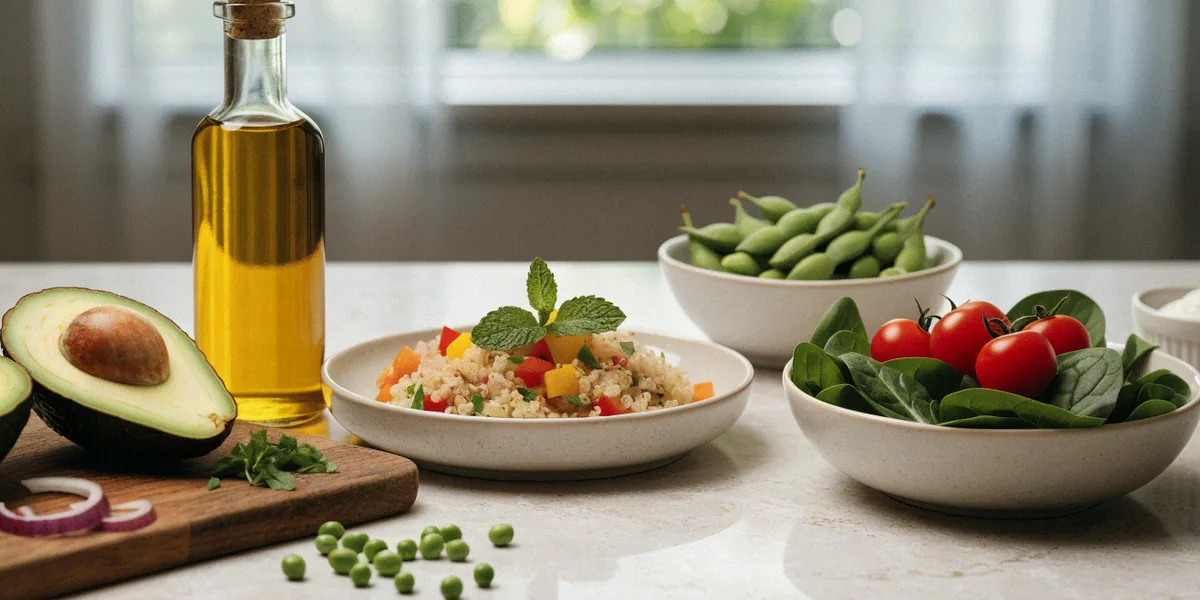
Harmony à la Carte – Wholesome Plant-Based Recipes
We still remember the first time we tried to make a vegan chocolate cake in a tiny Toronto apartment kitchen. The result was a dense, crumbly brick that our roommate politely described as “interesting.” We laughed, scraped the pan, and tried again the next weekend. That stubborn, joyful experimentation is where Harmony à la Carte was born. What started as a personal challenge to eat more plants in a country where winter lasts roughly six months has grown into a shared mission: helping Canadian home cooks create wholesome, satisfying plant-based food that actually works in real kitchens, with real grocery budgets, and real Canadian seasons. Whether you are a lifelong vegan, a curious flexitarian, or someone who simply wants to put more whole foods on the table, we are so glad you are here. Pull up a chair, pour a cup of tea, and let’s cook together.
Our Story: From Canadian Kitchens to Your Table
Harmony à la Carte began as a conversation between friends who kept running into the same problem. We loved plant-based food, but so many recipes online felt disconnected from how Canadians actually eat and shop. They called for ingredients we couldn’t find at our local grocery store, assumed year-round access to summer produce, and rarely acknowledged that a hearty bowl of something warm is far more appealing in February in Winnipeg than a cold smoothie. So we decided to build the resource we wished existed: a collection of plant-based recipes and whole food guides rooted in Canadian kitchens, Canadian brands, and Canadian seasons.
Our approach has always been practical first. We test every recipe multiple times, in ordinary home ovens, with ordinary equipment. We shop at the same stores you do — Loblaws, Costco Canada, Bulk Barn, our neighbourhood farmers’ markets — and we pay attention to what is actually on the shelves. Over the years, we’ve come to rely on a handful of Canadian brands that consistently deliver quality: Earth’s Own plant-based milk, which is a proudly Canadian brand and our default for everything from smoothies to creamy pasta sauces; and Yves Veggie Cuisine, a Canadian company that has been making plant-based eating accessible since long before it was trendy. These aren’t sponsorships — they’re simply the products that live in our fridges.
Meet the Team Behind Harmony à la Carte
We are a small, scrappy team of home cooks, recipe developers, and former line cooks spread across Ontario, British Columbia, and Nova Scotia. Between us we have raised kids on plant-based lunches, baked sourdough in drafty Maritime kitchens, grown tomatoes on balconies in Vancouver, and meal-prepped through -30°C prairie winters. Nobody on this team has formal culinary training in the traditional sense — we learned by cooking, failing, and cooking again.
What unites us is a shared belief that wholesome food should be approachable. We don’t believe in gatekeeping, expensive specialty ingredients, or recipes that require a dehydrator and three days of prep. We believe in quinoa that cooks in fifteen minutes, tahini that turns a bowl of roasted vegetables into something memorable, and chocolate that you can feel good about eating. Our team’s diverse backgrounds — one of us grew up in a Ukrainian-Canadian household where perogies were a food group, another learned to cook in a Vietnamese-Canadian family kitchen — shape the flavours we gravitate toward.
Why We Chose a Plant-Based Path
Our reasons for choosing plant-based cooking are personal and varied. For some of us, it started with health — a cholesterol diagnosis, a digestive issue, a desire to feel lighter and more energetic. For others, it was ethical and environmental: a growing awareness of the impact our food choices have on the planet, and a desire to tread a little more gently. For all of us, it eventually became about joy. Once we discovered how satisfying a well-seasoned bowl of quinoa and roasted vegetables could be, or how a tahini-lemon dressing could transform an ordinary salad, the idea of “giving things up” faded away.
We also came to appreciate that plant-based eating, done thoughtfully, naturally leans toward whole foods. When you build meals around vegetables, legumes, whole grains, nuts, and seeds, you end up cooking more from scratch — and that has a way of making everything taste better. We’re not purists. We enjoy a good store-bought veggie burger and a slice of vegan cheesecake as much as anyone. But the backbone of our cooking is whole, minimally processed food, and that’s what we focus on here.
Our Canadian Food Influences
Canadian food culture is wonderfully hard to pin down, and we love that about it. It’s butter tarts and tourtière, but it’s also dim sum in Richmond, jerk chicken in Toronto, and bannock in Saskatoon. It’s maple syrup tapped in Quebec, Okanagan peaches in August, and wild blueberries from the Maritimes. Our recipes draw on all of it.
We also lean heavily on the seasons, because in Canada you have no choice. When local asparagus appears in Ontario in May, we build meals around it. When squash and apples arrive in the fall, our ovens are full. This seasonal rhythm has made us better cooks, and it has made our plant-based recipes more varied and interesting than they would be if we simply bought the same imported produce year-round. We are proud to cook Canadian, and we are excited to share that approach with you.
Wholesome Plant-Based Recipes for Every Meal
One of the most common questions we get is some version of “where do I start?” Our answer is always the same: start with one meal, not your whole diet. Pick breakfast, or pick dinner, and build a small rotation of plant-based recipes you genuinely enjoy. Once those feel automatic, expand. To make that easier, we’ve organized our recipe collection by meal, with a strong emphasis on two ingredients that have become absolute staples in our kitchens: quinoa and tahini.
Quinoa is a nutritional powerhouse — a complete protein, naturally gluten-free, and endlessly versatile. We are especially proud to use Canadian-grown quinoa from Katan Kitchens, an Ontario company that has proven quinoa can thrive in Canadian soil. It’s a reminder that eating locally and eating plant-based can go hand in hand. Tahini, meanwhile, is the quiet hero of so many of our recipes. A good tahini — we’re particularly fond of Soom Foods tahini, which is available at Loblaws — turns a simple bowl of roasted vegetables into something rich and satisfying. It makes dressings creamy without dairy, thickens soups, and gives baked goods a subtle, nutty depth.
Breakfast and Brunch Ideas
Breakfast is where a lot of people stumble when they go plant-based, especially if they’re used to eggs and yogurt. Our solution is to lean into whole grains, nuts, seeds, and fruit. A warm bowl of quinoa porridge with almond milk, cinnamon, and maple syrup is one of our most-made recipes — it’s comforting, filling, and takes about twenty minutes from start to finish. For something quicker, overnight oats made with Earth’s Own oat milk and topped with berries and hemp seeds are a lifesaver on busy weekday mornings.
On weekends, when we have a bit more time, we love a savoury brunch. Tofu scramble with turmeric, nutritional yeast, and whatever vegetables are in the fridge is a classic, and it pairs beautifully with roasted potatoes and a slice of whole grain toast. If you’re feeding a crowd, our vegan banana pancakes — made with flax eggs, whole wheat flour, and ripe bananas — are always a hit. They’re the kind of recipe that makes people forget they’re eating plant-based at all.
- Quinoa porridge with almond milk, cinnamon, and maple syrup
- Overnight oats with Earth’s Own oat milk, chia seeds, and berries
- Tofu scramble with turmeric and seasonal vegetables
- Vegan banana pancakes with flax eggs and whole wheat flour
- Smoothies with tahini, banana, cocoa, and plant-based milk
Hearty Lunch and Dinner Bowls
If we had to name the single most versatile format for plant-based eating, it would be the bowl. A grain, a protein, a pile of vegetables, and a good sauce — that’s the formula, and it never gets old because the variations are endless. Our most-loved bowl combines fluffy quinoa, roasted chickpeas, massaged kale, and a lemon-tahini dressing that we could honestly drink straight from the jar. It’s the kind of meal that keeps you full and happy all afternoon.
For dinner, we lean on hearty, warming recipes that stand up to Canadian winters. A big pot of lentil and vegetable stew, a tray of roasted root vegetables over herbed quinoa, or a creamy tahini pasta with mushrooms and spinach — these are the meals our families ask for again and again. In summer, we shift toward lighter fare: big salads with grilled vegetables, quinoa tabbouleh with tomatoes and parsley, and grain bowls topped with whatever is freshest at the market.
One tip we always share: cook a big batch of quinoa on Sunday and store it in the fridge. It keeps beautifully for four to five days and turns “what’s for dinner?” into a fifteen-minute question rather than a thirty-minute one. Pair it with a jar of tahini dressing, and you’re never more than a few minutes away from a satisfying meal.
Snacks and Appetizers
Plant-based snacking is where whole foods really shine. Instead of reaching for processed options, we like to keep things simple: roasted chickpeas with smoked paprika, energy balls made with dates and oats, hummus with tahini and a drizzle of olive oil, or a handful of mixed nuts and dried fruit. These are the snacks that actually satisfy, rather than leaving you hungry twenty minutes later.
For entertaining, we love recipes that happen to be plant-based rather than recipes that announce themselves as such. A platter of roasted vegetables with tahini dipping sauce, crispy baked falafel with hummus, or stuffed mushrooms with quinoa and herbs — these disappear at parties regardless of who’s eating them. That’s the quiet magic of good plant-based cooking: when it’s done well, nobody thinks about what’s missing.
Mastering Vegan Baking with Whole Foods
Vegan baking has a reputation problem, and honestly, it’s earned. For years, the standard advice was to substitute eggs with whatever was on hand and hope for the best, and the results were often disappointing. But once we understood the science — what eggs actually do in a recipe, and how to replicate those functions with whole foods — everything changed. Vegan baking can be every bit as good as conventional baking, and often better, because whole food ingredients bring flavour and texture that refined substitutes can’t match.
We bake constantly in our test kitchens, and we’ve learned that the best results come from respecting the role each ingredient plays. Eggs bind, leaven, and add moisture. Flax eggs bind. Aquafaba whips and leavens. Baking soda and acid create lift. Once you know the job, you can choose the right tool. And when it comes to quality ingredients, we have our favourites: Camino chocolate, a Canadian fair-trade brand that makes beautiful dark chocolate and cocoa, and Rogers Foods flour, a Canadian staple we trust for everything from muffins to sourdough.
Essential Vegan Baking Substitutes
The single most useful substitution in vegan baking is the flax egg. One tablespoon of ground flaxseed mixed with three tablespoons of water, left to sit for five to ten minutes until it gels, replaces one egg in most recipes. It works beautifully in muffins, cookies, pancakes, and quick breads. For recipes where eggs provide structure, like some cakes, we sometimes use aquafaba — the liquid from a can of chickpeas — which can be whipped into a meringue-like foam.
For dairy, the substitutes are straightforward. Earth’s Own plant-based milk works cup-for-cup in nearly every recipe, and their oat and almond varieties both perform well in baking. For butter, we use a good quality vegan butter or, in many recipes, coconut oil or even olive oil. The key is to match the substitute to the recipe: coconut oil adds a subtle flavour that’s lovely in banana bread but distracting in a delicate vanilla cake.
- 1 flax egg = 1 tbsp ground flaxseed + 3 tbsp water
- 1 egg (for structure) = 3 tbsp aquafaba, whipped
- Buttermilk = plant-based milk + 1 tbsp lemon juice or vinegar
- Butter = vegan butter, coconut oil, or olive oil (depending on recipe)
- Honey = maple syrup, agave, or date syrup
Our Favourite Whole Food Sweeteners
We are not anti-sugar, but we do prefer sweeteners that bring something extra to the table. Maple syrup is our default — it’s Canadian, it’s delicious, and it adds moisture and depth to baked goods. Coconut sugar has a lovely caramel flavour and a lower glycemic index. Date syrup is rich and mineral-tasting, wonderful in darker baked goods. And for recipes where we want a clean, neutral sweetness, we reach for organic cane sugar.
Our rule of thumb is to reduce the sweetener slightly in any recipe we adapt. Most North American baking is sweeter than it needs to be, and when you’re using whole food ingredients, you actually want to taste them. A muffin made with whole wheat flour, ripe bananas, and a modest amount of maple syrup tastes like something, rather than just tasting sweet. That’s the goal.
Tips for Perfect Plant-Based Cakes and Cookies
We’ve made a lot of vegan cakes and cookies over the years, and these are the lessons that matter most. First, measure your flour properly — spoon it into the cup and level it off, rather than scooping directly, which compacts it and leads to dry baked goods. Second, don’t overmix. Once the flour goes in, stir just until combined. Third, let your baked goods cool completely before frosting or slicing, especially cakes, which are fragile when warm.
For cookies, chilling the dough for at least thirty minutes makes a noticeable difference in spread and texture. For cakes, lining the pans with parchment and greasing well prevents sticking, which is more common in vegan baking because there’s less fat. And when it comes to chocolate, don’t skimp. Camino chocolate, a Canadian fair-trade brand, melts beautifully and has a rich, complex flavour that makes a real difference in cookies, brownies, and ganache. It’s the kind of ingredient that quietly elevates everything it touches.
Seasonal Eating: A Canadian Guide to Whole Foods
Eating seasonally in Canada is not a trend — it’s a necessity and a pleasure. When you build your cooking around what’s actually growing, you get better-tasting food, you support local farmers, and you save money. We plan our recipes around the calendar, and we encourage every Canadian home cook to do the same. It’s one of the simplest ways to make plant-based eating more interesting and more sustainable.
Foodland Ontario is a fantastic resource for anyone in Ontario wanting to know what’s in season and where to find it. Their seasonal availability guide has become a regular reference in our kitchens. On the West Coast, BC Tree Fruits represents growers across the Okanagan and beyond, and their fruit — peaches, cherries, apples, pears — is some of the best in the country. Wherever you live, there’s likely a provincial marketing board or farmers’ market association doing similar work. Use them.
Spring and Summer Produce
Spring in Canada is a slow, hopeful unfurling. Asparagus is usually the first big arrival, followed by rhubarb, radishes, peas, and spring greens like spinach and arugula. This is the season for lighter cooking — quick sautés, fresh salads, and simple preparations that let the vegetables speak for themselves. We love asparagus roasted with olive oil and lemon, and rhubarb simmered into a compote that’s perfect over oatmeal or vegan yogurt.
Summer is abundance. Tomatoes, zucchini, corn, berries, stone fruit, peppers, eggplant — the markets overflow, and so do our kitchens. This is when we do the least cooking, and the best eating. A plate of sliced tomatoes with good olive oil, salt, and basil needs no recipe. A bowl of quinoa tossed with corn, cherry tomatoes, and a tahini-lime dressing is summer in a bowl. And berries — fresh or frozen for later — become the backbone of smoothies, crisps, and pancakes for the rest of the year.
Fall and Winter Harvest
Fall is our favourite season for cooking. Squash, apples, pears, cranberries, Brussels sprouts, kale, and root vegetables all arrive at once, and the oven comes back on. This is when we make big trays of roasted vegetables, hearty soups, and warming grain bowls. A roasted squash and quinoa salad with tahini dressing is a fall staple in our homes, and apple crisps with oats and maple syrup make an appearance almost weekly.
Winter in Canada demands comfort, and we deliver it. Root vegetables — carrots, parsnips, beets, turnips — store well and roast beautifully. Cabbage, kale, and other hardy greens keep producing. Dried legumes, canned tomatoes, and frozen vegetables fill in the gaps. A big pot of minestrone with white beans and kale, a lentil shepherd’s pie with mashed root vegetables on top, or a creamy tahini and mushroom pasta — these are the meals that get us through February with good cheer.
Preserving and Storing Seasonal Foods
One of the best ways to eat seasonally year-round is to preserve what’s abundant when it’s cheap. We freeze berries on sheet pans before transferring them to bags, which keeps them from clumping. We blanch and freeze green beans, peas, and corn. We make big batches of tomato sauce in late summer and freeze it in portion-sized containers. We dry herbs, roast squash and freeze the purée, and make applesauce by the litre in the fall.
Proper storage matters too. Root vegetables keep best in a cool, dark place — a basement or garage works well in most Canadian homes. Apples and potatoes should be stored separately, as the ethylene from apples causes potatoes to sprout. Leafy greens last longer wrapped in a damp cloth in the fridge. And a well-organized pantry, which we’ll talk about next, is the foundation of all of it.
Building a Plant-Based Pantry: Quinoa, Tahini, and More
A well-stocked pantry is the difference between “I have nothing to eat” and “I can make dinner in twenty minutes.” When you have the right whole food staples on hand, plant-based cooking becomes effortless. We’ve refined our pantry list over years of cooking, and we want to share it with you — along with where to find these items affordably here in Canada.
Two ingredients anchor everything: quinoa and tahini. With those, plus a few basics, you can make bowls, dressings, soups, baked goods, and more. The rest of the pantry is built around them, and once you have your staples in place, you’ll find yourself cooking from scratch far more often than you expected.
Must-Have Whole Food Staples
Our pantry list is intentionally short. We’d rather have a few things we use constantly than a cupboard full of items that go stale. Here’s what we keep on hand at all times:
- Quinoa — white, red, or tri-colour, for bowls, salads, and porridge
- Tahini — for dressings, sauces, baking, and dips
- Canned chickpeas, lentils, and black beans
- Rolled oats and whole wheat flour (we love Rogers Foods)
- Brown rice and whole grain pasta
- Olive oil, coconut oil, and a good neutral oil
- Maple syrup, coconut sugar, and date syrup
- Ground flaxseed and chia seeds
- Nutritional yeast, tamari, and apple cider vinegar
- Camino cocoa, dark chocolate, and baking chocolate
- Nuts and seeds — almonds, walnuts, pumpkin seeds, sunflower seeds
- Canned tomatoes and tomato paste
- Spices: cumin, coriander, paprika, turmeric, cinnamon, chili flakes
That’s it. With these on hand, plus fresh produce and a plant-based milk like Earth’s Own, you can make hundreds of meals. Everything else is a bonus.
Where to Shop in Canada
We shop strategically, which keeps our grocery bills reasonable. Costco Canada is excellent for bulk staples — quinoa, oats, nuts, olive oil, and canned goods are all significantly cheaper there. Bulk Barn is our go-to for smaller quantities of spices, seeds, flours, and specialty items, and it’s a great way to try something new without committing to a large bag. Loblaws and its sister stores carry Soom Foods tahini, which we consider the gold standard for dressings and dips. For Canadian-grown quinoa, look for Katan Kitchens, an Ontario company doing genuinely exciting work.
For produce, farmers’ markets are unbeatable in season, and many cities have year-round markets with local greenhouse and storage crops in winter. Community supported agriculture (CSA) boxes are another great option if you want to eat seasonally and support local farms directly. And don’t overlook frozen vegetables — they’re picked at peak ripeness, nutritionally comparable to fresh, and far more affordable in winter.
Meal Planning Tips for Busy Cooks
Meal planning doesn’t have to mean a colour-coded spreadsheet. Our approach is simple: cook one grain, one protein, and one sauce on the weekend, and build meals from those during the week. A pot of quinoa, a tray of roasted chickpeas, and a jar of tahini dressing can become bowls, wraps, salads, and sides all week long with minimal effort.
We also recommend keeping a few “emergency meals” in the freezer — a batch of lentil soup, a container of tomato sauce, a few veggie burgers. On the nights when everything goes sideways, having something homemade ready to reheat is a small but meaningful victory. And finally, we encourage flexibility. Meal plans are a guide, not a contract. If the market has beautiful asparagus on Tuesday, make asparagus on Tuesday. The plan can wait.
Frequently Asked Questions
Do I need expensive specialty ingredients to cook plant-based?
Not at all. Some of our most-used ingredients — oats, beans, rice, frozen vegetables, bananas — are among the cheapest items in the grocery store. Quinoa and tahini are worth the investment because they’re versatile and go a long way, and buying them in bulk at Costco Canada or Bulk Barn keeps the cost down. The key is to build your pantry gradually, starting with the staples you’ll actually use.
Where can I find Canadian-grown quinoa?
Katan Kitchens grows quinoa right here in Ontario, which is a remarkable achievement given that quinoa is traditionally grown in South America. Their quinoa is available at select retailers and online. It’s a wonderful option if you want to support Canadian agriculture while enjoying this versatile whole grain.
Is tahini available at regular Canadian grocery stores?
Yes. Soom Foods tahini is available at Loblaws, and many other grocery chains carry tahini in the international or health food aisle. Look for a tahini that’s smooth, pourable, and made from just sesame seeds — no added oils or fillers. Once opened, store it in the fridge and stir well before using.
What’s the best plant-based milk for baking?
We reach for Earth’s Own plant-based milk, a Canadian brand, for nearly all our baking. Their oat and almond varieties both work well in cakes, muffins, and quick breads. For recipes where you’d normally use buttermilk, add a tablespoon of lemon juice or vinegar to the plant-based milk and let it sit for five minutes before using.
How do I start eating more plant-based meals without feeling deprived?
Start small and focus on addition rather than subtraction. Add one plant-based dinner per week, then two, and build from there. Cook recipes you’re genuinely excited about, use plenty of seasoning and good sauces (tahini is your friend), and don’t worry about being perfect. The goal is a way of eating you can sustain and enjoy for the long term, not a rigid set of rules.
We started Harmony à la Carte because we believe wholesome, plant-based cooking should be accessible to every Canadian home cook — no matter your experience, your budget, or the size of your kitchen. From our first failed vegan cake to the recipes we make for our families today, this journey has been one of small, steady improvements and a lot of good meals shared around the table. We hope these recipes and guides help you find your own rhythm, whether you’re just beginning or looking for fresh inspiration. Join our community, try a recipe this week, and tell us how it goes — we love hearing about your kitchen victories, big and small. Happy cooking, and welcome to the table.
Latest articles
- Vegan Baking Substitutions
 Vegan Baking Substitutions: Our Tested Swaps for Perfect Plant-Based Bakes The first time our team tried to veganize a family butter tart
- Three-Ingredient Chia Jam
 Three-Ingredient Chia Jam: A Wholesome Plant-Based Spread For years, our team hunted for a jam that didn’t taste like a chemistry experiment.
- Stuffed Grape Leaves Step by Step
 Stuffed Grape Leaves Step by Step: A Plant-Based Guide for Canadian Cooks We’ll show you how to make tender, flavorful stuffed grape
- Plant-Based Pantry Staples
 Plant-Based Pantry Staples: Our Ultimate Guide for Canadian Home Cooks It’s 6 p.m. on a Tuesday in February, the wind chill is
- No-Bake Quinoa Cashew Squares
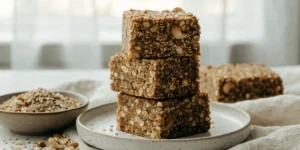 No-Bake Quinoa Cashew Squares: A Wholesome Plant-Based Treat It was one of those rainy Vancouver afternoons where the sky turns grey by
- Homemade Cereal Bars with Hemp and Flax
 Homemade Cereal Bars with Hemp and Flax: A Wholesome Plant-Based Snack You know the scene: it’s 4 p.m., you’re standing in the