
Vegan Baking Substitutions: Our Tested Swaps for Perfect Plant-Based Bakes
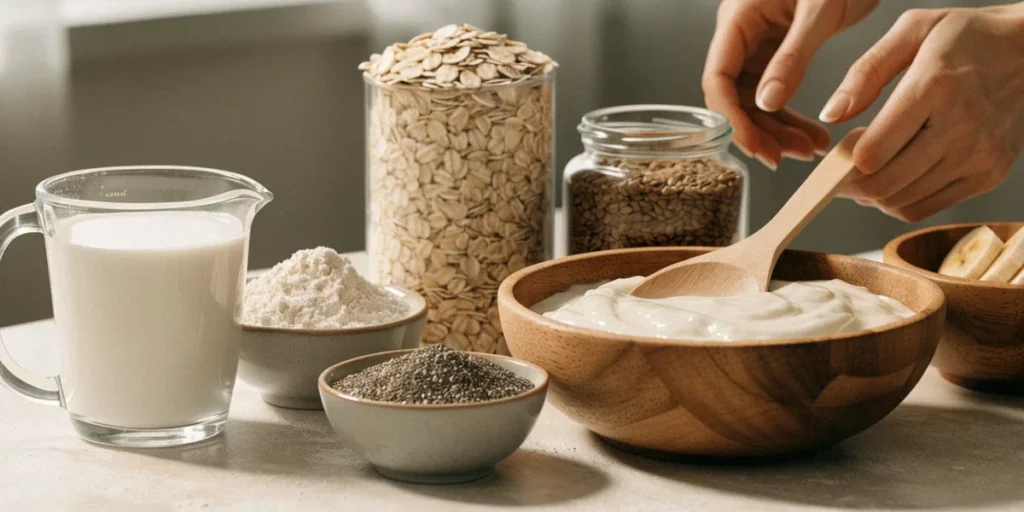
The first time our team tried to veganize a family butter tart recipe, the results were, to put it kindly, a disaster. The filling refused to set, the crust crumbled like dry sand, and the whole tray went straight into the compost bin. Instead of giving up, we turned that failure into a year-long experiment, testing egg replacers, plant milks, and whole-food fats in our Canadian kitchens until we landed on swaps that actually work. What follows is everything we learned, so you can skip the compost-bin stage and go straight to baking something you’re proud to share.
Why Vegan Baking Substitutions Matter for Canadian Home Cooks
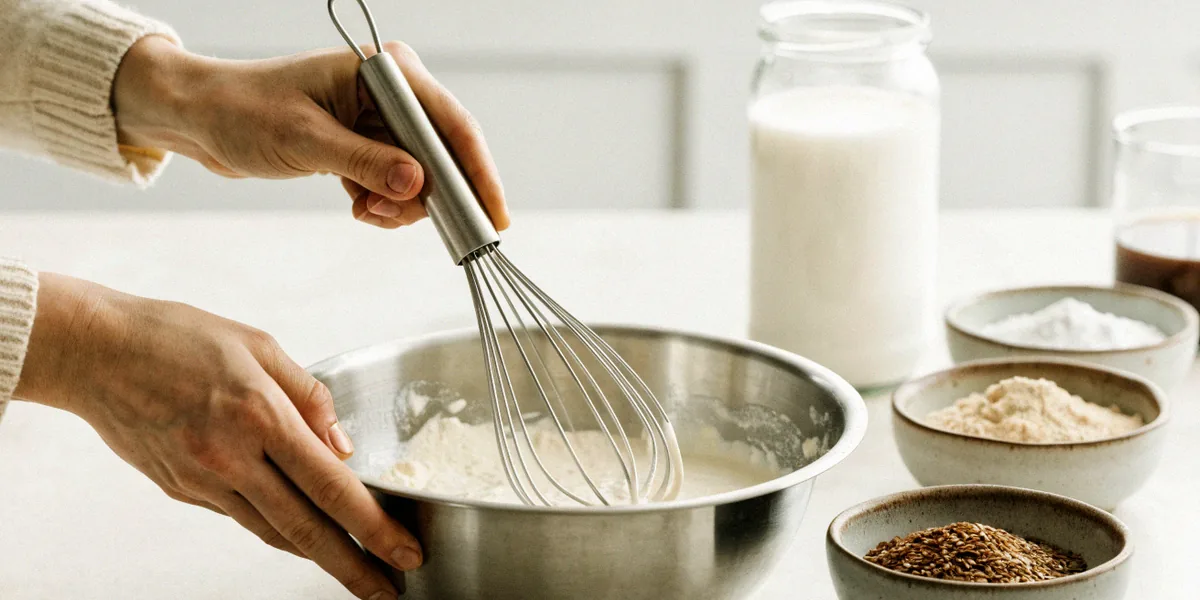
Plant-based eating has moved from niche to mainstream across Canada, and baking is riding right along with it. Whether you’re baking for a dairy-free family member, cutting back on animal products for environmental reasons, or simply curious about whole-food ingredients, knowing how to swap confidently changes everything.
The Rise of Plant-Based Baking in Canada
Statistics Canada reports that nearly 40% of Canadians are incorporating more plant-based foods into their diets, and grocery aisles from Halifax to Vancouver reflect that shift. Vegan butter, oat milk, and flax meal are now standard stock in most supermarkets. For home bakers, this means the ingredients we need are easier than ever to find, and often more affordable than specialty health-store items once were.
Common Challenges and How We Solve Them
Traditional recipes rely on eggs for structure, dairy for richness, and butter for flakiness, so removing them without a plan leads to dense cakes and gummy cookies. Our approach focuses on whole foods and accessible Canadian ingredients, and we test every swap more than once before recommending it. Here’s the framework we use:
- Identify what each ingredient does (bind, lift, tenderize, or add moisture)
- Choose a swap that performs the same job, not just one that sounds similar
- Adjust liquids and leavening to compensate for the change
- Bake a small test batch before committing to a full recipe
Egg Substitutions: From Flax to Aquafaba
Eggs are the trickiest thing to replace because they multitask: they bind, add moisture, and help baked goods rise. The good news is that different replacers excel at different jobs, so matching the right one to your recipe matters more than finding a single universal swap.
Flax and Chia Eggs: Our Go-To for Binding
A flax egg is one tablespoon of ground flax meal mixed with three tablespoons of water, rested for five minutes until gel-like. Chia works the same way with the same ratio. We buy Bob’s Red Mill flax meal, which is widely available in Canada, and keep a jar in the fridge. These work beautifully in muffins, pancakes, quick breads, and oatmeal cookies, though they can leave a slightly nutty flavour that suits darker baked goods best.
Aquafaba: The Whipping Wonder
Aquafaba is the liquid from a can of chickpeas, and it whips into stiff peaks much like egg whites. Three tablespoons equal one egg. We’ve had great results with the brine from Unico chickpeas, which is reliably thick. Use aquafaba for meringues, macarons, angel food cake, and anywhere you need air incorporated into the batter.
Commercial Egg Replacers: When to Use Them
Powdered egg replacers like Bob’s Red Mill Egg Replacer are convenient and neutral in flavour, making them ideal for recipes where you don’t want any hint of flax or chickpea. They’re our pick for delicate cakes, custards, and anything where colour matters. Follow the package ratios, usually one tablespoon of powder plus three tablespoons of water per egg.
Dairy Substitutions: Milk, Butter, and Beyond
Dairy swaps are the easiest place to start because the alternatives are so widely available in Canada. The key is matching fat content to the recipe, since low-fat milks can make cakes dry and rubbery.
Plant Milks: Which Ones Work Best in Baking?
Soy milk is our top choice for richness, and Natura soy milk is a Canadian brand we reach for often. Oat milk is a close second and Earth’s Own oat milk is a popular Canadian brand for baking thanks to its creamy texture and neutral taste. Almond milk works in a pinch but is thinner, so add an extra tablespoon of oil if a recipe calls for it. Use unsweetened, unflavoured versions unless the recipe specifies otherwise.
Vegan Butter and Shortening: Texture Matters
Earth Balance and Melt are the two vegan butters we use most, and both brown and cream reasonably well. For pie crusts and shortbread where flakiness is everything, a blend of vegan butter and vegetable shortening gives the best result. Keep your vegan butter cold when the recipe calls for cold butter, and don’t skip the chilling steps.
Yogurt and Sour Cream Alternatives
Unsweetened coconut yogurt and soy-based yogurt substitute one-for-one in most recipes. For sour cream, we blend a tablespoon of lemon juice into a cup of thick coconut yogurt. These add tang and moisture to coffee cakes, banana bread, and dips without any dairy.
Sweeteners and Binders: Honey, Sugar, and Syrups
Sweeteners do more than sweeten: they tenderize, brown, and retain moisture. Swapping them changes both flavour and texture, so a little attention goes a long way.
Maple Syrup: Canada’s Liquid Gold
Maple syrup is a quintessential Canadian sweetener, with Quebec producing over 70% of the world’s supply. We use it to replace honey one-for-one, and it brings a warm caramel note to muffins, granola, and glazes. Use dark or amber grades for baking, and reduce other liquids by about two tablespoons per cup of syrup.
Unrefined Sugars and Ethical Choices
Refined white sugar is sometimes filtered through bone char, which is why many plant-based bakers choose organic or unrefined sugars instead. Lantic and Redpath both offer organic options in Canada, and coconut sugar or maple sugar are excellent whole-food alternatives with deeper flavour.
Adjusting Liquids When Swapping Sweeteners
Liquid sweeteners like maple syrup and agave add moisture, so reduce other liquids by about one quarter cup per cup of liquid sweetener used. If you’re swapping in a granulated sugar for a liquid one, add a tablespoon or two of plant milk to keep the batter from turning out dry.
Flour and Leavening: Whole Grains and Gluten-Free Options
Flour choice shapes crumb, structure, and nutrition. Whole grains add fibre and flavour, while gluten-free blends require a bit more care to avoid dense results.
Whole Grain Flours: Nutritional Boosts
Whole wheat pastry flour swaps one-for-one with all-purpose and keeps cakes tender. Spelt behaves similarly and adds a mild, nutty taste. Quinoa flour is a protein powerhouse; we use it to replace up to 25% of the flour in a recipe, since using more can make bakes heavy.
Gluten-Free Blends: Tips for Structure
Bob’s Red Mill and Robin Hood both make gluten-free all-purpose blends that are available across Canada. Add a binder like xanthan gum (about half a teaspoon per cup of flour) if the blend doesn’t already include one, and let the batter rest for ten minutes before baking so the flours hydrate fully.
Leavening Agents: Getting the Rise Right
Baking soda needs acid (like lemon juice or vinegar) to activate, while baking powder is self-contained. When you swap in heavier flours or wetter batters, add an extra half teaspoon of baking powder per cup of flour to help things lift. Always check that your leaveners are fresh before a big bake.
Tahini and Nut Butters: Secret Weapons for Richness
Fat carries flavour and keeps baked goods moist, and whole-food fats like tahini and nut butters do the job beautifully while adding nutrients.
Tahini: The Unsung Hero of Vegan Baking
Tahini from brands like Nuts to You is a staple in Canadian health food stores, and once you bake with it you’ll understand why. Replace butter or oil with tahini at a ratio of three-quarters cup tahini per one cup of butter. It shines in brownies, cookies, and swirl cakes, adding a subtle sesame depth that pairs beautifully with chocolate and maple.
Nut Butters: Flavor and Fat Swaps
Natural peanut, almond, and cashew butters swap in for butter at the same three-quarter ratio. President’s Choice natural nut butters are a reliable Canadian option. Use smooth, unsweetened versions so the sugar and salt in your recipe stay balanced.
Adjusting Recipes for Moisture
Tahini and nut butters are denser than butter, so add one to two tablespoons of plant milk to loosen the batter. If the dough feels crumbly, chill it for twenty minutes before shaping, and it will come together nicely.
FAQ
Can I replace eggs with flax in every recipe?
No. Flax eggs bind well in muffins, cookies, and quick breads, but they won’t whip or provide lift in meringues or sponge cakes. For those, use aquafaba instead.
Which Canadian oat milk is best for baking?
Earth’s Own oat milk is our most-used option because it’s creamy and neutral. Choose the unsweetened original version unless your recipe calls for a flavoured milk.
Does maple syrup work as a one-for-one honey replacement?
Yes, and it’s our favourite swap. Just reduce other liquids by about two tablespoons per cup and expect a slightly deeper flavour.
How do I keep gluten-free vegan bakes from turning out dense?
Use a trusted blend like Bob’s Red Mill or Robin Hood, add a binder such as xanthan gum, increase baking powder slightly, and let the batter rest before baking.
Can tahini really replace butter in brownies?
Absolutely. Use three-quarters cup tahini per cup of butter, add a tablespoon or two of plant milk, and you’ll get fudgy, rich brownies with a subtle sesame note.
Vegan baking rewards patience and curiosity more than perfection. Start by swapping one ingredient at a time, keep notes on what worked, and lean on trusted Canadian brands like Earth’s Own, Nuts to You, and Bob’s Red Mill as you build your own tested list. Every great plant-based bake begins with a small experiment, and we’re cheering you on from our kitchens to yours.