
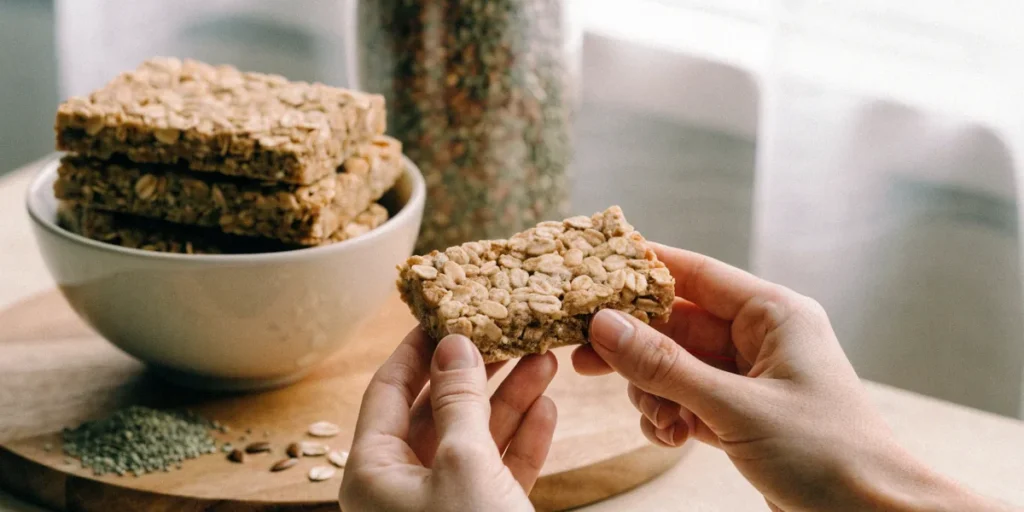
Homemade Cereal Bars with Hemp and Flax: A Wholesome Plant-Based Snack
You know the scene: it’s 4 p.m., you’re standing in the cereal aisle reading the label on a box of granola bars, and the second ingredient is glucose-fructose syrup. A box of six costs eight dollars. Our team has been there more times than we can count, which is exactly why we started making our own cereal bars at home. These hemp and flax bars take about twenty minutes of hands-on time, use ingredients you probably already have in your pantry, and taste like something you’d pay too much for at a café. They’re the simple, wholesome solution we now swear by — and once you try them, you likely will too.
Why We Love These Hemp and Flax Cereal Bars
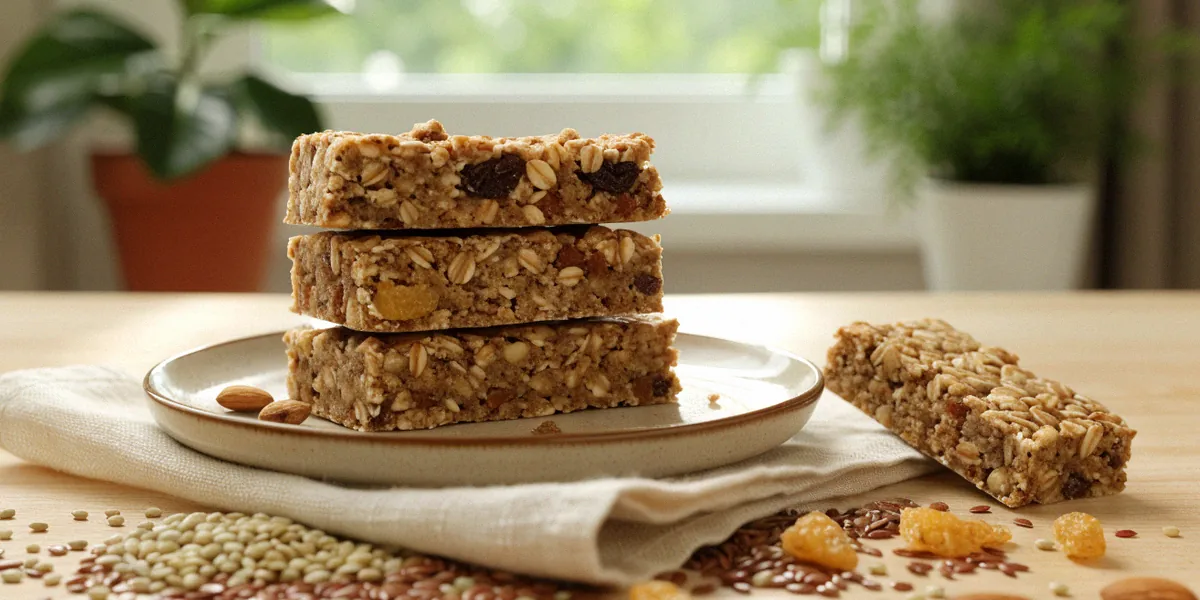
Most commercial snack bars rely on sugar and palm oil to hold everything together. Ours rely on hemp hearts, ground flaxseed, tahini, and Canadian maple syrup. That’s a meaningful difference, both nutritionally and in flavour. Hemp and flax are also two of the easiest specialty ingredients to find in Canada — no specialty health food store required.
Hemp Hearts: A Canadian-Grown Protein Powerhouse
Hemp hearts are the shelled seeds of the hemp plant, and they’re a genuine nutritional standout. They contain all nine essential amino acids, making them a complete protein, along with omega-3 and omega-6 fatty acids in a favourable ratio. They’re also rich in magnesium, iron, and zinc. Manitoba Harvest, a Canadian brand based in Winnipeg, is one of the best-known producers of hemp hearts in the country, and their product is stocked in most major grocery chains from coast to coast. We like that buying hemp hearts often means supporting Canadian agriculture — and that they require no cooking, just a quick stir into the mix.
Flaxseed: The Fibre-Rich Superfood We Always Keep on Hand
Ground flaxseed is the other half of this bar’s nutritional backbone. It’s an excellent source of dietary fibre and lignans, plant compounds with antioxidant properties. One important note: whole flaxseeds pass through your digestive system largely intact, so you want ground flaxseed for the body to actually absorb those benefits. Bob’s Red Mill ground flaxseed is widely available in Canada, sold at Loblaws, Metro, Costco, and most natural food stores. We buy it in bulk and keep a jar in the fridge, where it stays fresh for months.
Key Ingredients for Plant-Based Cereal Bars
The ingredient list is short and flexible. Here’s what you actually need, and why each one earns its place.
Quinoa and Oats: The Hearty Base
Quinoa is a complete protein, which makes it an unusual and welcome addition to a snack bar. You can use cooked quinoa (well drained and cooled) or puffed quinoa if you prefer a lighter texture. Rolled oats — not instant oats — provide structure and that classic chewy bite. Together they form a base that’s substantial enough to keep you full through an afternoon hike or a long school day.
Tahini and Maple Syrup: The Natural Binder
Tahini, the sesame paste you probably associate with hummus, is the secret weapon here. It adds creaminess and healthy fats to plant-based recipes, and it binds the bars without any need for eggs or butter. Warm it gently with Canadian maple syrup — a natural, vegan-friendly sweetener — and you get a glossy, pourable mixture that coats every grain. We strongly recommend real Canadian maple syrup over pancake syrup; the flavour difference is not subtle, and you’re supporting Canadian producers in the process.
Optional Mix-Ins for Extra Flavour
This is where you make the recipe yours. Our team’s favourite additions:
- Dried cranberries for a tart chew
- Dark chocolate chips (vegan-certified if that matters to you)
- Canadian-grown pumpkin seeds for crunch
- Unsweetened shredded coconut
- A pinch of cinnamon or cardamom
How to Make Homemade Cereal Bars: Step-by-Step
The method is straightforward, but a few details make the difference between bars that hold together and bars that crumble in your hand.
Prepping and Toasting the Grains
Spread your rolled oats and cooked or puffed quinoa on a baking sheet and toast them at 325°F (160°C) for about 8 to 10 minutes, stirring once. This step drives off moisture and deepens the nutty flavour. Let them cool slightly before mixing — if the grains are too hot, they’ll melt your chocolate chips later.
Mixing and Pressing the Bars
In a small saucepan over low heat, warm the tahini and maple syrup together until they’re loose and pourable, about 2 minutes. In a large bowl, combine the toasted grains, hemp hearts, ground flaxseed, and any mix-ins. Pour the warm tahini mixture over everything and stir until evenly coated. Line an 8×8-inch pan with parchment paper — a Canadian-made pan from a brand like Paderno works beautifully here — and press the mixture in firmly. Use the back of a spatula or damp hands; you want it compacted, not gently patted.
Chilling and Slicing for Clean Cuts
Refrigerate for at least 2 hours, ideally overnight. This is non-negotiable — warm bars will crumble. Once firm, lift the whole block out by the parchment and slice into 10 to 12 bars with a sharp chef’s knife. Wipe the blade between cuts for cleaner edges.
Tips for Perfect Vegan Baking Results
Vegan baking has a reputation for being finicky. These tips, tested repeatedly in our own kitchens, keep it simple.
Getting the Consistency Right
Ground flaxseed doubles as a binder in vegan baking, which is one reason it appears in this recipe twice over — as a nutrient and as glue. If your mixture looks dry, add another tablespoon of warm tahini rather than more syrup; too much liquid sweetener makes bars sticky and soft. Avoid overmixing once the wet ingredients go in, or the bars turn dense and tough. Canadian maple syrup also brings moisture that helps bars stay chewy for days rather than drying out.
Storage and Shelf Life
Store bars in an airtight container in the fridge for up to two weeks, or freeze them individually wrapped for up to three months. They thaw in about 15 minutes at room temperature — perfect for grabbing on your way out the door.
Variations and Substitutions We Recommend
Once you’ve made the base recipe a couple of times, start swapping.
Nut-Free and Gluten-Free Options
Sunflower seed butter works as a direct swap for tahini if you’re avoiding sesame. For gluten-free bars, use certified gluten-free rolled oats — oats are naturally gluten-free but frequently cross-contaminated during processing. Honey can replace maple syrup, though that makes the bars non-vegan. Puffed rice substitutes neatly for quinoa if you want a lighter, crispier texture.
Flavour Twists: Chocolate, Cranberry, and Spice
Our team’s three favourite riffs: a chocolate version with cocoa powder stirred into the tahini mixture plus dark chocolate chips; a cranberry-orange version with dried cranberries and orange zest; and a spiced version with cinnamon, ginger, and a touch of molasses alongside the maple syrup. Canadian-grown pumpkin seeds and dried blueberries both work beautifully in any of them.
Why These Bars Belong in Your Canadian Kitchen
These bars travel well, which matters in a country where a weekend hike in Banff or a drive up to Muskoka is a normal part of the calendar. They hold up in a lunchbox, survive a backpack, and slice neatly for meal prep on Sunday evening. Just as importantly, the ingredient list leans Canadian: maple syrup from Quebec or Ontario, hemp hearts from Manitoba Harvest, pumpkin seeds from farms across the prairies. Making them at home is a small, practical way to support domestic producers while eating better.
FAQ
Can I use whole flaxseed instead of ground?
We don’t recommend it. Whole flaxseeds pass through digestion largely intact, so you miss most of the nutritional benefit, and they don’t bind the bars as effectively. Stick with ground flaxseed — Bob’s Red Mill is widely available across Canada.
How long do these cereal bars stay fresh?
In an airtight container in the fridge, they keep for about two weeks. Frozen, they last up to three months. Let them thaw at room temperature for 15 minutes before eating.
Are these bars gluten-free?
They can be. Use certified gluten-free rolled oats, since standard oats are often processed on shared equipment with wheat. The rest of the ingredients — quinoa, hemp hearts, flaxseed, tahini, and maple syrup — are naturally gluten-free.
What can I use instead of tahini?
Sunflower seed butter is the closest match for texture and binding power, and it keeps the bars nut-free and sesame-free. Peanut butter or almond butter also work if allergies aren’t a concern.
Do I have to toast the oats and quinoa?
It’s not strictly required, but we consider it worth the extra 10 minutes. Toasting removes moisture and brings out a deeper, nuttier flavour that makes the finished bars taste considerably better.
These homemade cereal bars have become a weekly staple in our kitchens for good reason: they’re affordable, they take minimal effort, and they’re genuinely nourishing. Start with the base recipe, then make them your own with Canadian maple syrup, local pumpkin seeds, or whatever dried fruit you have on hand. Once you’ve made a batch, the store-bought box rarely makes it back into the cart.