Farro, Millet and Other Ancient Grains: A Canadian Guide to Wholesome Plant-Based Cooking
We still remember the first time we cooked farro in our small Ontario kitchen. The bag sat on the counter for a week because we weren’t sure what to do with it. Next to it was a jar of millet we’d bought on a whim, convinced it was birdseed. Fast forward a few winters, and both grains now live in glass containers on our counter, cooked and ready for grain bowls, soups, and even vegan baking. So why aren’t farro, millet, and their ancient cousins staples in every plant-based pantry across Canada? They’re grown here, they’re affordable, and they’re packed with fibre and protein. This guide is our attempt to change that.
Why Ancient Grains Deserve a Spot in Your Plant-Based Kitchen
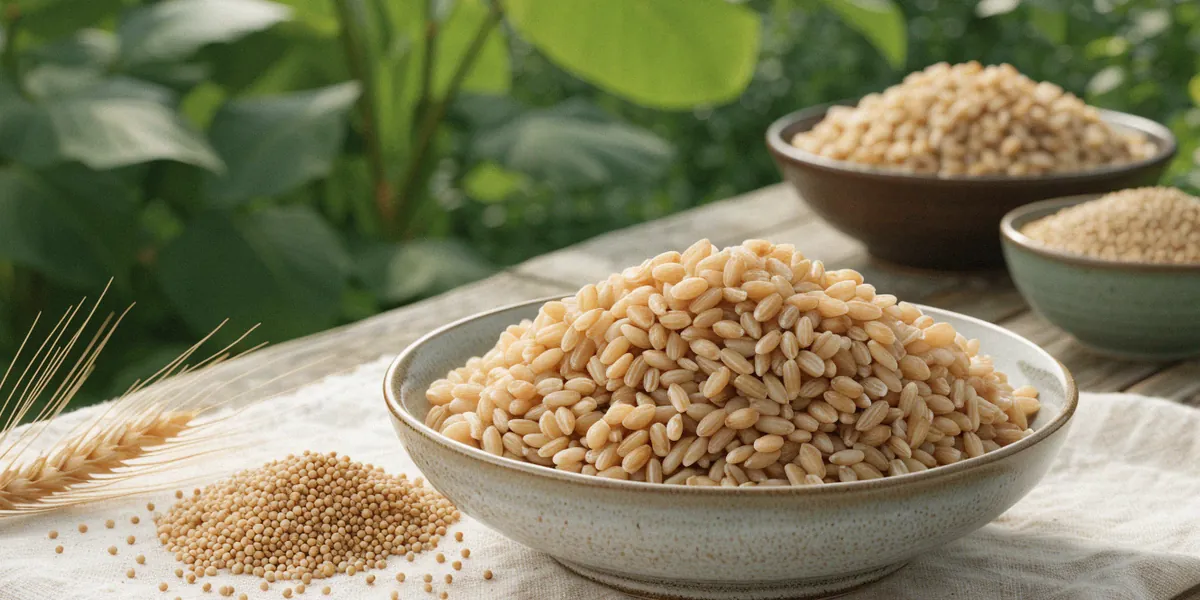
Ancient grains like farro, millet, quinoa, and amaranth have been cultivated for thousands of years, long before modern wheat dominated our plates. For anyone eating whole foods plant-based, they offer something refined grains can’t: intact fibre, slow-digesting carbohydrates, and a chewy texture that makes meals feel satisfying. They’re also a quiet sustainability win, especially when you buy them grown close to home.
Nutritional Powerhouses: Fiber, Protein, and Micronutrients
Farro delivers about 6 grams of fibre and 7 grams of protein per cooked cup, along with iron, magnesium, and zinc. Millet is naturally gluten-free and rich in magnesium and B vitamins. Quinoa, technically a seed, is a complete protein with all nine essential amino acids. Together, these grains cover a lot of nutritional ground for anyone building plant-based recipes around whole foods.
Sustainability and Canadian Sourcing
Ancient grains typically need less water and fewer inputs than conventional wheat, and buying them locally cuts food miles dramatically. The good news for Canadians is that we don’t have to look far. Farro is grown in Ontario, Canada, and can be found in stores like Bulk Barn. Millet is cultivated in the Canadian Prairies, particularly Manitoba and Saskatchewan. Quinoa is grown in Saskatchewan, Canada, by companies like Northern Quinoa Production Corporation. That’s a genuinely local supply chain for three grains most people assume are imported.
Farro: The Nutty Italian Grain That Loves Canadian Winters
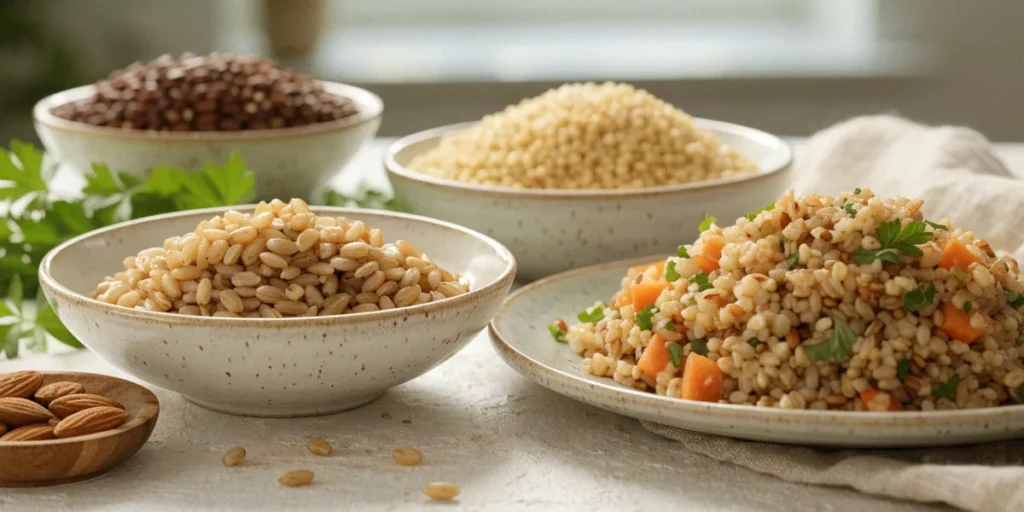
Farro has a chewy, nutty bite that holds up beautifully in soups, grain salads, and winter bowls. It’s the grain we reach for when we want something heartier than rice but lighter than barley. We buy farro from Ontario-based brands like Grainful, and we’ve had great luck cooking it in a rice cooker on the brown rice setting. If you’ve been intimidated by farro, don’t be. It’s more forgiving than you think.
How to Cook Farro Perfectly (No Fuss)
Rinse the farro, then use a 1:3 ratio of farro to water or vegetable broth. Simmer for 25 to 30 minutes for whole farro, or 15 to 20 minutes for pearled. It’s done when it’s tender but still has a slight chew. Drain any excess liquid and let it steam for five minutes before fluffing.
Farro Recipes We Make on Repeat
- Farro and roasted squash soup with rosemary and white beans
- Farro tabbouleh with parsley, cucumber, and lemon
- Warm farro bowl with kale, chickpeas, and a maple-tahini drizzle
- Farro “risotto” with mushrooms and nutritional yeast
Millet: The Tiny Grain with Big Potential for Vegan Baking
Millet gets overlooked because it’s small and mild, but that mildness is exactly why we love it. It takes on whatever flavours you give it, and millet flour is a quiet hero in gluten-free vegan baking. We source Canadian millet from Prairie growers, and it’s become a regular in our muffins, quick breads, and pancakes.
Millet in Savory Dishes: Porridge, Pilafs, and More
Cook millet with a 1:2.5 ratio of grain to liquid for about 20 minutes. It makes a creamy breakfast porridge with almond milk and cinnamon, a fluffy pilaf with sautéed onions and herbs, or a base for stuffed peppers. Toasted dry in a pan for two minutes before cooking, it develops a deeper, nuttier flavour.
Vegan Baking with Millet: Tips and Tricks
Millet flour can replace some all-purpose flour in vegan baking recipes, but we usually swap no more than 25 to 30 percent to keep the crumb from getting too dense. Pair it with a binder like flax egg and a touch of tapioca starch for structure. It works especially well in banana bread, cornbread-style muffins, and hearty breakfast cookies.
Quinoa and Tahini: The Dynamic Duo of Ancient Grain Bowls
Quinoa and tahini are the two ingredients that turned our grain bowls from side dishes into full meals. Quinoa brings complete protein and a light, fluffy texture. Tahini, a sesame paste, brings creaminess, healthy fats, and a subtle bitterness that balances sweet and savoury bowls alike. We use Canadian-grown quinoa from Saskatchewan and tahini from brands like Soom Foods, which is available in Canadian grocery stores and online.
Whipping Up Tahini Dressings for Grain Bowls
Our house tahini dressing is simple: a quarter cup of tahini, juice of one lemon, one minced garlic clove, a tablespoon of maple syrup, a pinch of salt, and warm water whisked in until pourable. It thickens in the fridge, so loosen it with a splash of water before serving. For a creamier version, whisk in a spoonful of vegan yogurt from a Canadian brand like Yoso.
Meal-Prep Quinoa and Tahini Combos for Busy Weeks
- Quinoa, roasted sweet potato, and kale with lemon-tahini dressing
- Quinoa, chickpeas, and cucumber with garlic-tahini sauce
- Quinoa breakfast bowl with tahini, dates, and cinnamon
- Quinoa and roasted cauliflower with maple-tahini drizzle
How to Cook and Store Ancient Grains Like a Pro
We batch-cook farro and millet on Sundays for the week, and it’s the single habit that keeps our plant-based meals easy on busy weeknights. Cooked grains keep in the fridge for four to five days, and they freeze beautifully. We store ours in glass containers from Canadian Tire, which stack neatly and reheat without any plastic aftertaste.
Cooking Ratios and Times for Farro, Millet, and Quinoa
- Farro (whole): 1 cup grain to 3 cups liquid, 25–30 minutes
- Millet: 1 cup grain to 2.5 cups liquid, 20 minutes
- Quinoa: 1 cup grain to 2 cups liquid, 15 minutes
Always rinse quinoa and millet before cooking to remove any bitter saponins. Farro benefits from a quick rinse too.
Freezing and Reheating for Quick Meals
Spread cooled grains on a baking sheet, freeze for an hour, then transfer to freezer bags or containers. They’ll stay separate instead of clumping. Reheat in a skillet with a splash of water, or microwave covered for 90 seconds.
Building a Wholesome Plant-Based Plate with Ancient Grains
A great grain bowl is really just a formula: grain, veg, protein, sauce, and something crunchy. Once you know the formula, you can improvise with whatever’s in season at your local market. We lean on Canadian brands like Yoso for vegan yogurt in tahini dressings, and we swap grains based on what we have cooked in the fridge.
The Perfect Grain Bowl Formula
- 1 cup cooked ancient grain (farro, millet, or quinoa)
- 1–2 cups roasted or raw vegetables
- ½ cup plant protein (chickpeas, lentils, tempeh, or tofu)
- 2 tablespoons tahini sauce or dressing
- Toppings: pumpkin seeds, hemp hearts, fresh herbs, pickled onion
Seasonal Canadian Veggie Pairings
In winter, we pair farro with roasted squash, parsnips, and kale. Spring calls for millet with asparagus and peas. Summer is quinoa with tomatoes, zucchini, and corn. Fall is farro with apples, Brussels sprouts, and toasted walnuts. Eating with the seasons keeps things affordable and flavourful.
FAQ
Are ancient grains gluten-free?
Millet and quinoa are naturally gluten-free. Farro is a type of wheat, so it contains gluten and isn’t suitable for celiac diets. If you’re cooking for someone with gluten sensitivity, stick with millet or quinoa.
Where can I buy farro and millet in Canada?
Farro grown in Ontario can be found at Bulk Barn and many health food stores. Canadian millet from Prairie growers is available at bulk stores, natural food markets, and online retailers. Quinoa from Saskatchewan is stocked in most major grocery chains.
Can I cook farro in a rice cooker?
Yes. Use the brown rice setting with a 1:3 farro-to-water ratio. It takes about 30 to 40 minutes depending on your cooker, and the result is consistently tender with a pleasant chew.
How long do cooked ancient grains last in the fridge?
Cooked farro, millet, and quinoa keep for four to five days in an airtight container in the fridge. For longer storage, freeze them for up to three months.
Is tahini the same as sesame paste?
Yes, tahini is simply ground sesame seeds. Look for brands like Soom Foods, which is available in Canadian grocery stores and online, and choose a version with just sesame seeds listed in the ingredients.
Farro, millet, quinoa, and their ancient cousins aren’t exotic imports reserved for fancy restaurants. They’re grown here in Canada, sold at stores we already shop at, and simple enough to cook on a weeknight. Whether you start with a bag of Ontario farro from Bulk Barn or a jar of Prairie millet, we hope this guide gives you the confidence to make these grains everyday staples in your plant-based kitchen. Wholesome cooking doesn’t have to be complicated. It just has to be local, seasonal, and delicious.